The East Loop — Ruins and Beaches
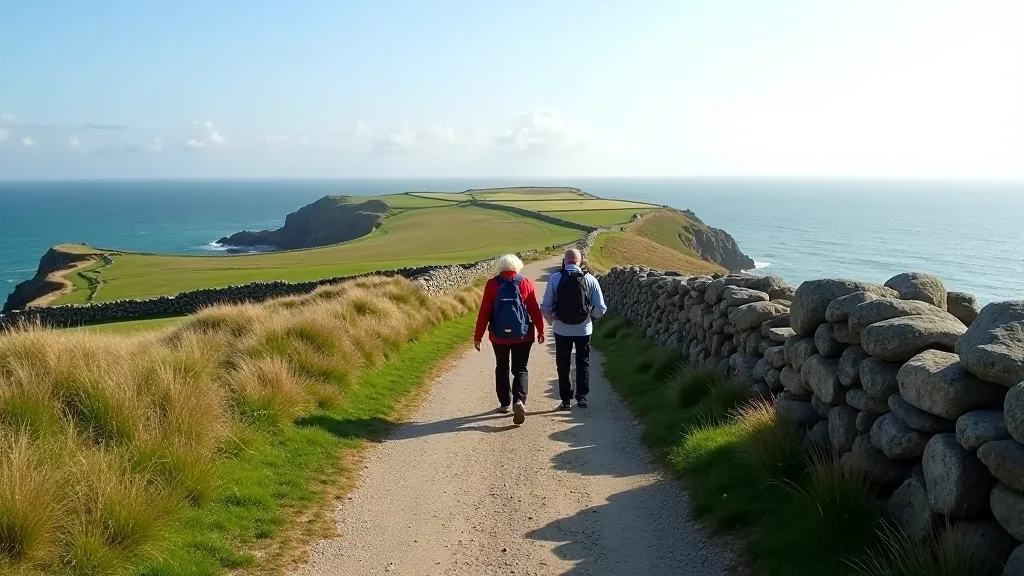
Start at the pier and head east toward Sherkin Abbey. The path's easy to follow — locals have walked it for generations. You'll pass stone walls, old farmhouses, and eventually reach the ruins. The abbey dates back to the 15th century, and it's worth spending 10 minutes just sitting there, looking at how the place was built to last.
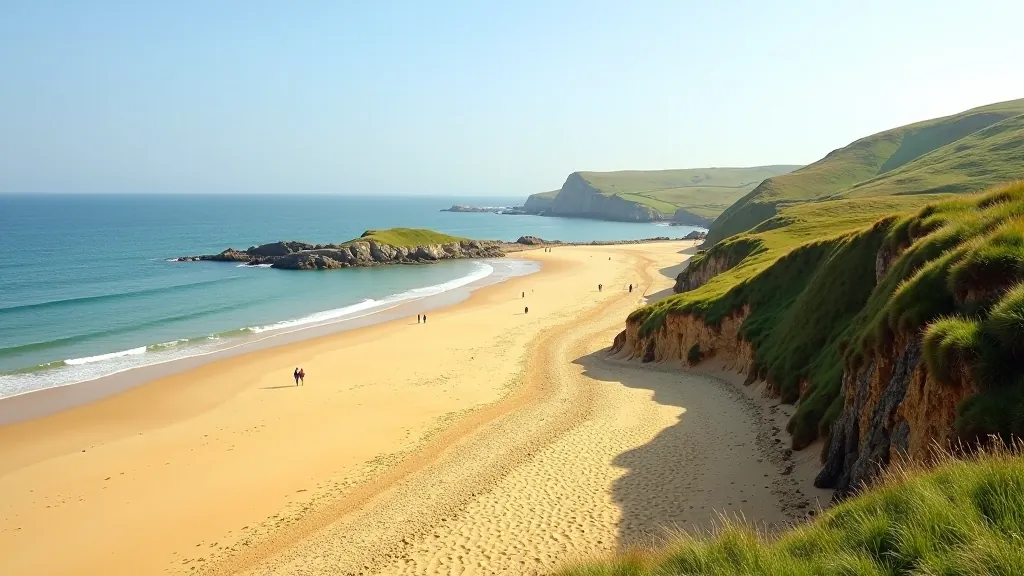
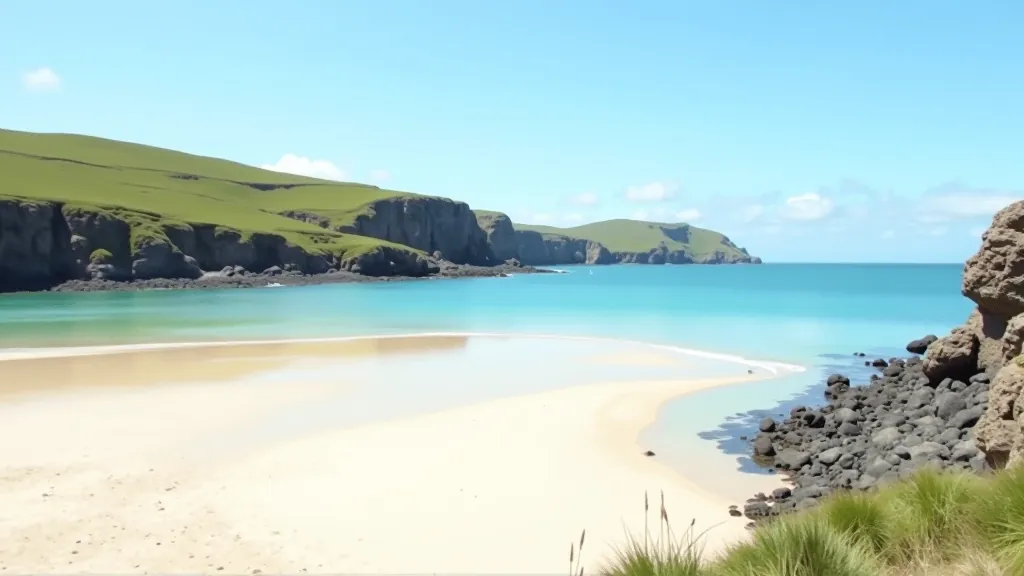
From the abbey, the route drops down to a small beach. It's not dramatic, but it's quiet. You can rest here, have some water, maybe a snack. The tide comes and goes — check timing before you head out. Then you'll circle back toward the pier along quieter roads. The whole loop takes about 90 minutes at a comfortable pace.
"The real beauty isn't the big views. It's the small moments — watching a bird hunt in the shallows, finding shells that've traveled thousands of kilometers."
The West Route — Wildflowers and Coast
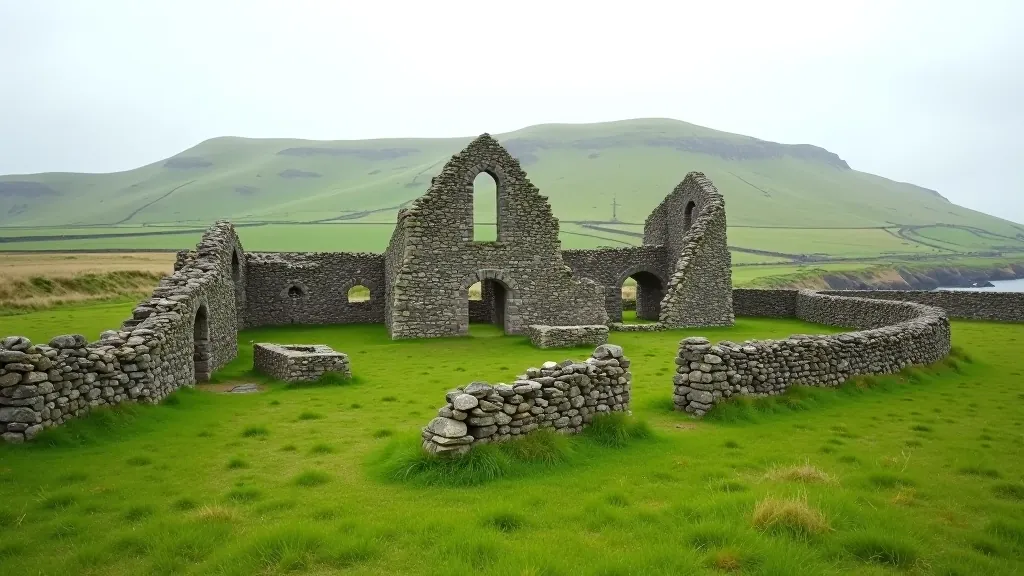
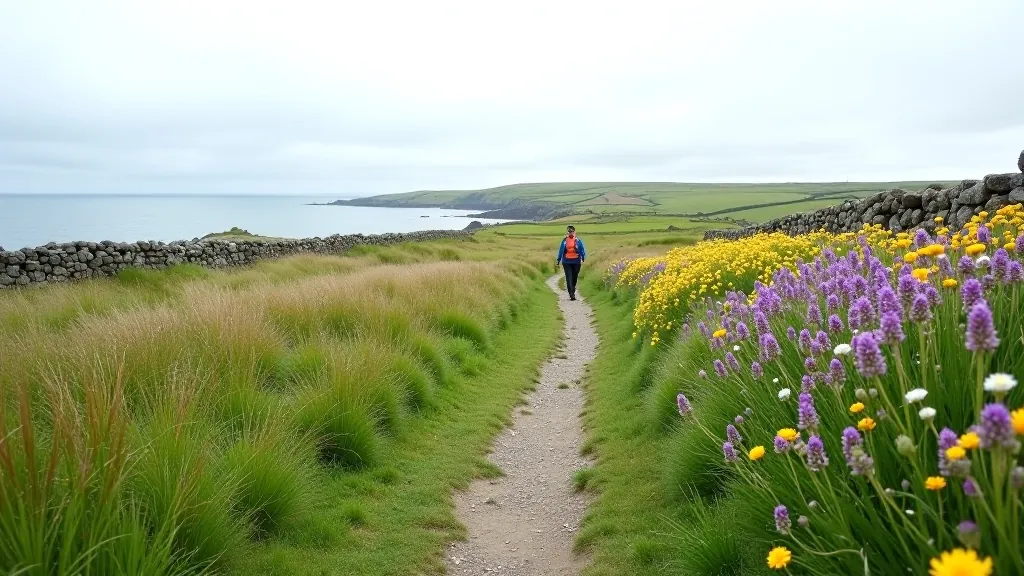
If you've got the time, the western path is worth exploring. You're walking along the coastline here, and you'll see gorse blooming (bright yellow in spring), heather (purple in late summer), and seabirds that honestly don't care you're watching them. The path narrows in places, but it's never steep.
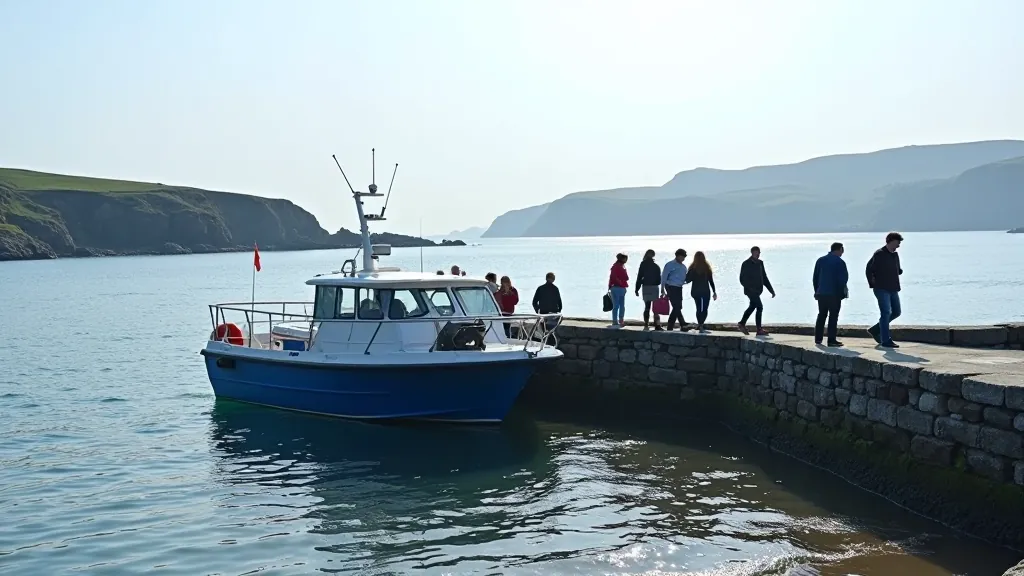
There's a small pier on the western side where fishing boats moor. Stop here. You'll get views toward the Fastnet Rock lighthouse — it's not visible from Sherkin, but the ocean opens up in that direction. On clear days, you can see the mainland clearly. On misty days, you feel like you're floating.
The western route adds about 45 minutes to your day. Most people combine it with the east loop for a full 2.5-hour experience. But you don't have to. If you're tired after the abbey, heading back to the pier is perfectly fine.
This guide describes routes and conditions as they were at time of writing. Weather, tides, and path conditions change. Always check ferry schedules before heading to the island. Wear waterproof footwear — island paths get muddy after rain. If you have mobility concerns, consider visiting during calmer months when the pier access is easier.
Practical Details That Actually Matter
Getting there is straightforward. Baltimore ferry leaves regularly during the day — typically hourly in summer, less frequent in winter. The journey takes 10 minutes. Buy a return ticket (around €10-12 for adults, prices vary). The boat's small, but it's steady. Even if you're not a confident swimmer, you're in a professional ferry service that's been running for decades.
Once you're on the island, there's a small shop near the pier if you need anything. No ATM though, so bring cash. Bring water — there's no drinking fountain on the routes. And bring something to eat. A sandwich, fruit, whatever. You'll want to sit somewhere nice and take your time.
The paths are marked reasonably well. There's a basic map at the pier. If you've got a smartphone, you can download an offline map before you leave the mainland. Mobile signal exists but isn't reliable everywhere.
What Makes This Different From Other Islands
You won't find souvenir shops or tour buses on Sherkin. That's actually the point. It's an island where people live and work, not a theme park version of island life. You'll pass someone's house, maybe wave at someone working in their garden. This is normal. They're used to visitors, and they're usually friendly.
The walks are accessible because they're genuinely flat. Not "mostly flat with a few surprises." Actually flat. Your knees won't protest. Your heart rate won't spike. You're moving at a pace where you can have a conversation without getting breathless.
And here's something practical: you control your schedule. The last ferry back is usually around 5-6pm depending on the season, but you're not locked into a group tour time. You can spend 3 hours or 5 hours. You can rest whenever you want. You can sit on a beach for an hour if you feel like it.